How to Find Customers Who Have Quietly Stopped Coming Back
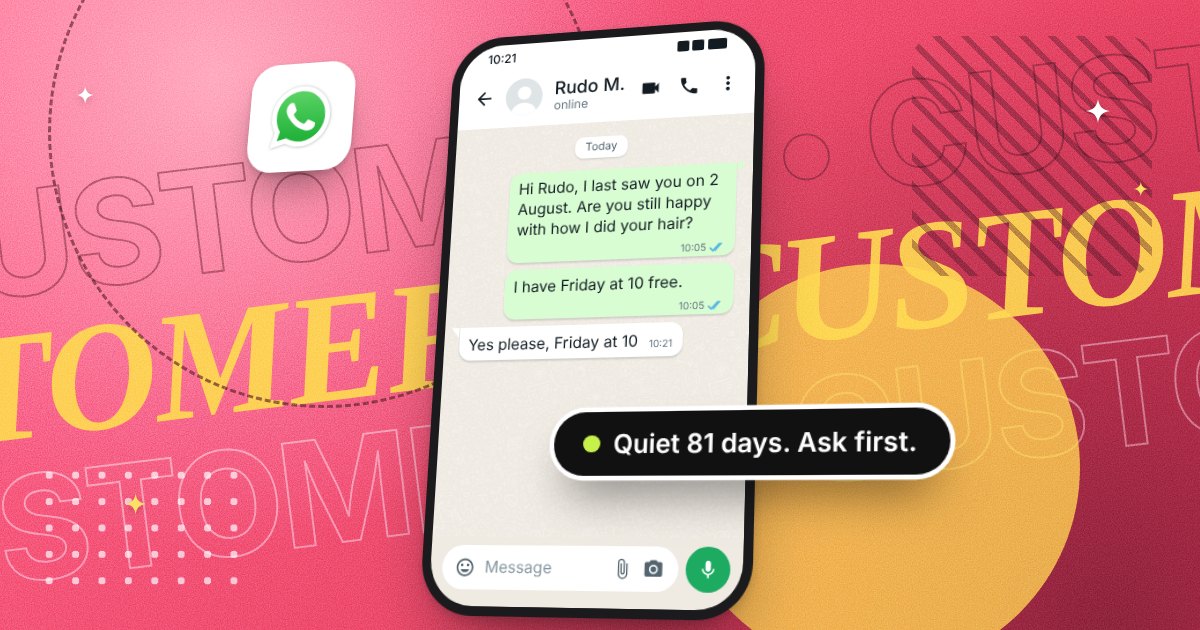
Sort your customers by last visit, spot the ones quiet for twice their usual gap, and message each one yourself.
Sort your customers by the date they last bought. Next to each name, write how often they usually come. Anyone who has been quiet for twice that gap may have drifted, and those are the people to message first, one at a time. You do not need software for this. You need one sheet and an afternoon at most.
I would guess you can name your best regulars but not who has slipped away. A customer who stops coming does not announce it. They just stop, and nothing on your side of the counter changes.
01Why you do not notice
A busy week hides the gap. The shop is full, the phone is going, and the person who used to come every month is simply not in the room. Nobody tells you they are missing.
The missing ones also look like the happy ones in your memory. Say you run a hair salon and think of Rudo as a regular, because she was one. That she has not been in for 81 days does not register, because nothing happened that day to remind you.
02What to put on the sheet
Make three columns: name, last visit, and how often they usually come. Get the dates from wherever you already keep them: a booking diary, a notebook, your WhatsApp chats, the messages from your payment app, or till receipts.
Then sort the sheet by last visit, oldest first, so the longest-quiet people sit at the top. Do not try to do all of it at once. Start with the 40 customers you would be sorry to lose.
Here is an example. I am making these customers up, so use your own, and your own currency. The same sheet works for a barber, a dentist's recall list or a cleaning round. Say the sheet has 40 names, today is 22 October, and each visit is worth $25. These are four of the rows, sorted oldest first.
- Nyasha. Usually every 8 weeks (56 days). Last visit 20 June, which is 124 days ago.
- Rudo. Usually every 4 weeks (28 days). Last visit 2 August, which is 81 days ago.
- Tendai. Usually every 6 weeks (42 days). Last visit 14 August, which is 69 days ago.
- Chipo. Usually every 3 weeks (21 days). Last visit 1 September, which is 51 days ago.
03How to tell quiet from gone
Double each person's usual gap. That is the line.
Rudo's line is 56 days, and she is at 81. Chipo's line is 42, and she is at 51. Nyasha's line is 112, and she is at 124. All three are over, so all three go on your list.
Tendai's line is 84 days, and he is at 69. Leave him alone. He is not late yet, and a message now only tells him you are counting.
The doubling is a rule of thumb, not a law. It is a sensible line to start with, because people have a rhythm, and being twice as late as your own may mean something changed. They may have moved, tried someone else, or got busy and forgotten. You do not know which until you ask.
04What it is worth
Rudo comes about 13 times a year at $25 a visit. That is $325 a year from one person, and she is not in your diary. Your own figure will differ. Work it out as visits a year times what one visit is worth.
If 3 of your 40 are like Rudo, that is 3 x $325, or $975 a year, sitting in quiet chats.
05What to say
Write to each one yourself. Do not send a bulk message with a discount. A message to 40 people reads like a message to 40 people.
Keep it short, say when you last saw them, and ask one easy question. Here is what I would send to each of the three. For Rudo:
- "Hi Rudo, I last saw you on 2 August. Are you still happy with how I did your hair? I have Friday at 10 free."
For Chipo, who comes more often and has only just gone quiet:
- "Hi Chipo, it was 1 September when you were last in. Do you want your usual trim this week? I can do Friday at 2."
For Nyasha, who is furthest gone:
- "Hi Nyasha, I last saw you on 20 June and I have Saturday at 9 free. Would you like to come in?"
Three rules for the message:
- Use their first name and the date you last saw them.
- Ask one easy question.
- Offer a specific time, so saying yes takes one reply.
Some will not answer. Some may tell you something you did not know, like a booking that went wrong or a price that put them off. That alone makes the message worth sending.
If you also take enquiries on WhatsApp, the same habit carries over: write down each open chat with a date to follow up. I wrote it up in How to Stop Losing People Who Ask for a Price on WhatsApp.
06Do this week
- 01List the 40 customers you would be sorry to lose.
- 02Beside each, write their last visit and how often they usually come.
- 03Sort by last visit, oldest first.
- 04Double the gap for each person and mark everyone who is past it.
- 05Send each marked person one short, personal message with a specific time.
- 06Add a date to your diary, a month from now, to run the sheet again.
If the sheet is hard to keep up, the dates probably live in too many places. Pick one place for them first. My services page lists what I help owners with.
Keep reading
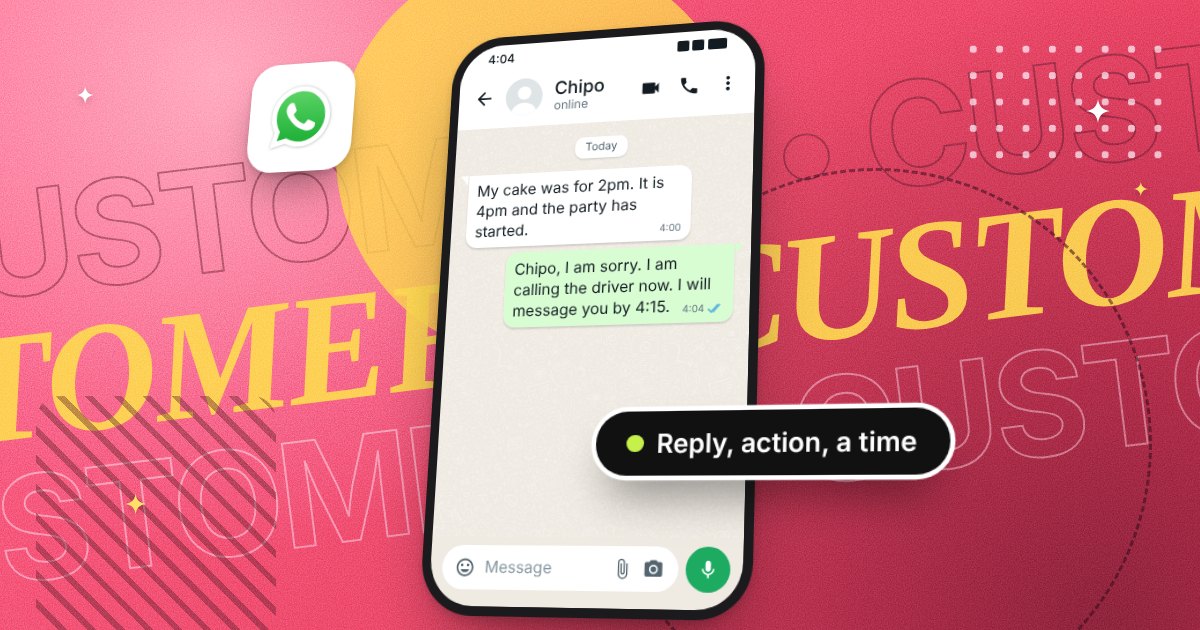
A Customer Is Angry on WhatsApp. What Do I Say First?
Reply within the hour, repeat the problem in their words, say what you will do and by when. Leave the argument about blame for later.
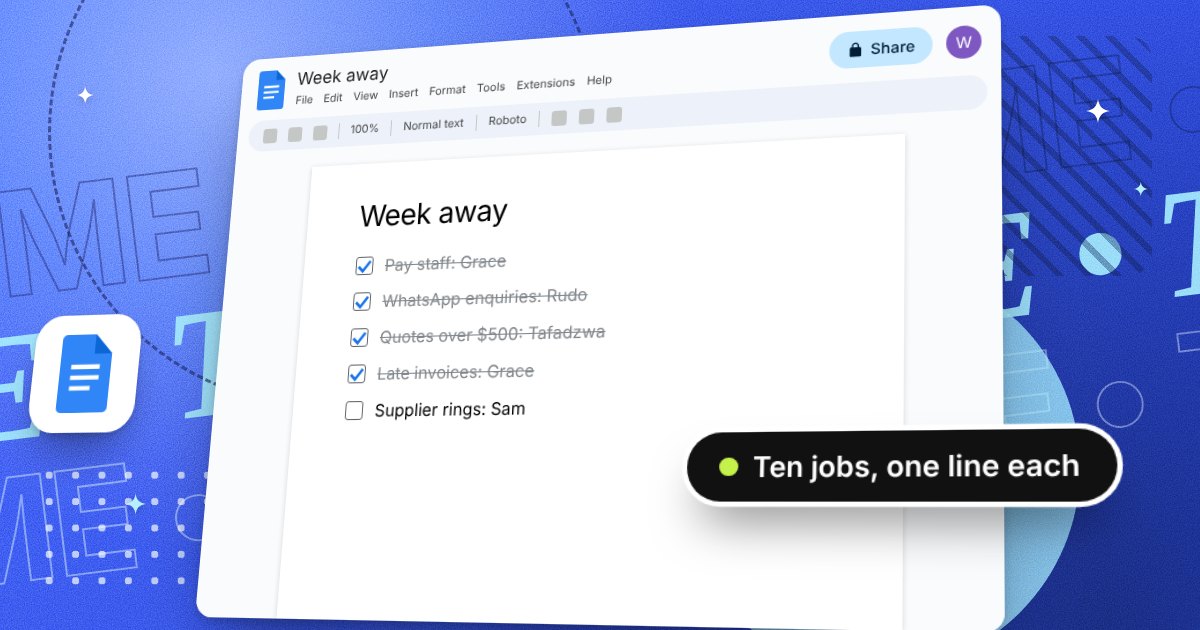
Can I Take a Week Off Without the Business Stalling?
Yes. List the 10 jobs only you do, give each a named person and one line of instructions, and run a two-day trial before you go.
One useful email a week
What is working in real businesses right now, written for owners. No spam, and one click to leave.
We only use your email to send the newsletter. See the privacy policy.
Want this working in your business?
Book a free 15 minute call and we'll tell you where AI can pay off for you. No pitch.
Book a Free Call